Percentage of Users Preferring Mobile-Friendly Sites Over Desktop
August 9, 2025
August 9, 2025
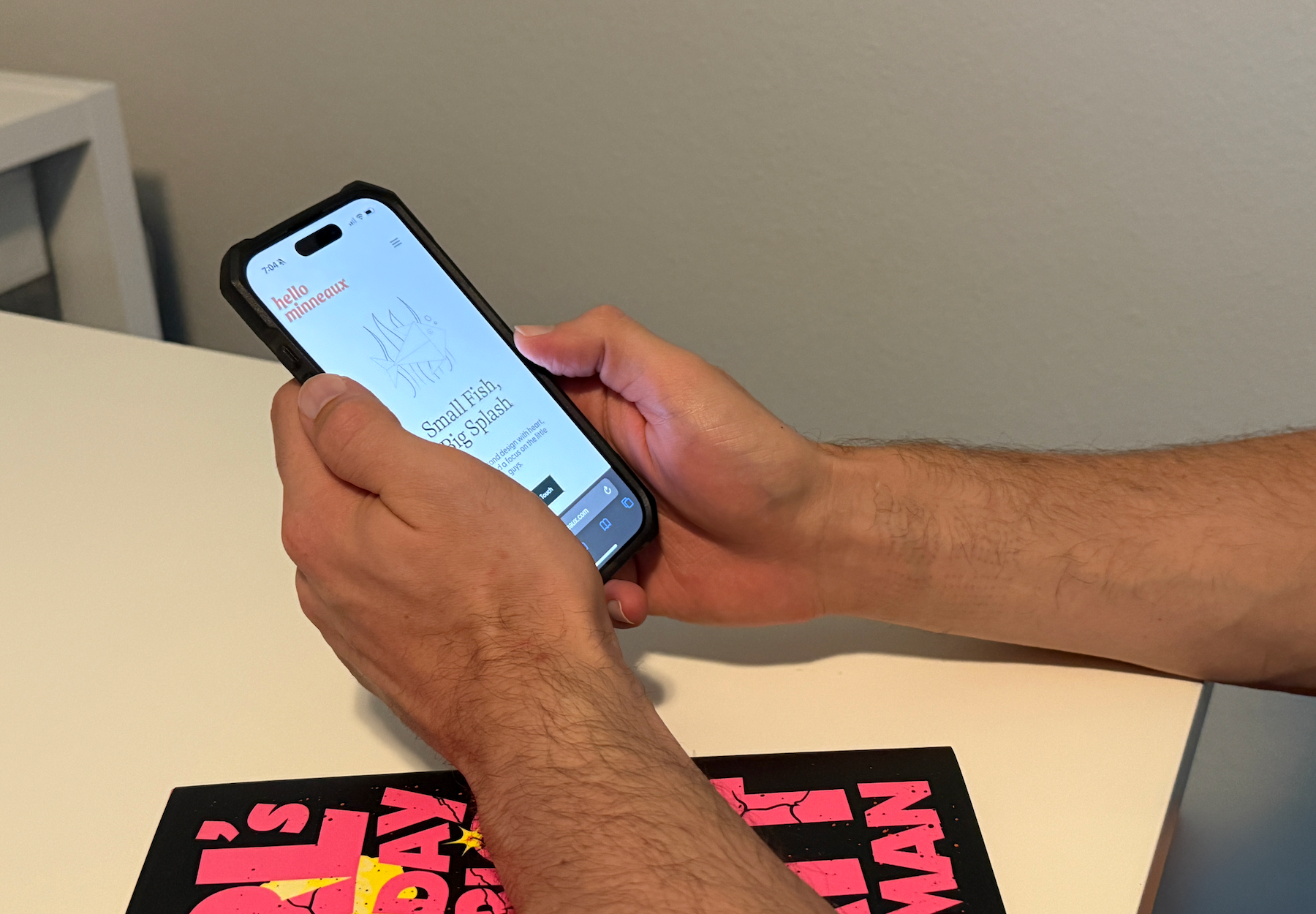

If your website doesn’t work well on a phone, you might be losing more than half your visitors before they even read your headline. In 2025, mobile browsing isn’t just common — it’s the default for most people.
According to Google, over 60% of all website visits worldwide now come from mobile devices, and 74% of users say they’re more likely to return to a mobile-friendly site. That’s not just a trend — it’s your customer base telling you exactly what they want.
Mobile-friendly websites aren’t just about looking good on a smaller screen. They directly affect:
It’s more than “shrinking” your site down. A truly mobile-friendly site:
In Louisiana, many small business customers are looking you up while they’re out and about — searching for a restaurant after a parade, checking gym hours between errands, or browsing services while waiting in the carpool line.
If your site isn’t easy to use on mobile, you could be losing local leads to a competitor who invested in responsive design.
If your website is more “frustrating” than “friendly” on a phone, here’s where to start:
The majority of your visitors are on mobile — and they expect your site to work seamlessly. If you don’t give them that experience, they won’t stick around. A mobile-friendly design isn’t just good practice — it’s the new standard for doing business online.

Hiring a web designer? Here are 5 things every small business owner should know — especially if you're based in Mandeville, Covington, or the Northshore.
Read More
Launching your business? Here’s a simple list of what your website needs — from your homepage to your contact info.
Read More
Learn how we helped a Covington business quickly relaunch their website, reduce costs, improve SEO visibility, and land a $250K contract win.
Read More